
Market Update 23 March to 05 April - Global Manufacturing Shifts Reshape Textile Designer Jobs and Industry Dynamics

Global textile and manufacturing sectors are undergoing significant shifts driven by softening demand, automation, sustainability, wage pressures, and retail slowdown. Manufacturers are optimizing output, adopting AI, and investing in upskilling to stay competitive. Sustainability initiatives are accelerating innovation, especially in eco-friendly materials and processes. Rising wages in developed markets are pushing production toward cost-efficient regions like India and Vietnam. Meanwhile, slowing retail sales are forcing brands to streamline operations and rethink sourcing strategies. These combined trends are reshaping workforce dynamics, influencing roles such as textile designers and manufacturing technicians, while reinforcing the importance of key production hubs like Gujarat.
Global Textile Trade Rebalances as Demand Softens Across Key Markets
Global textile markets witnessed a demand recalibration across the US and EU, with retailers adjusting inventory amid cautious consumer spending. Manufacturers in Asia responded by optimizing output and diversifying sourcing strategies. This shift has implications for employment trends, indirectly influencing textile designer jobs and production roles worldwide. Regions like textile of Gujarat continue to play a critical role in maintaining supply stability while adapting to evolving global trade dynamics. Read more

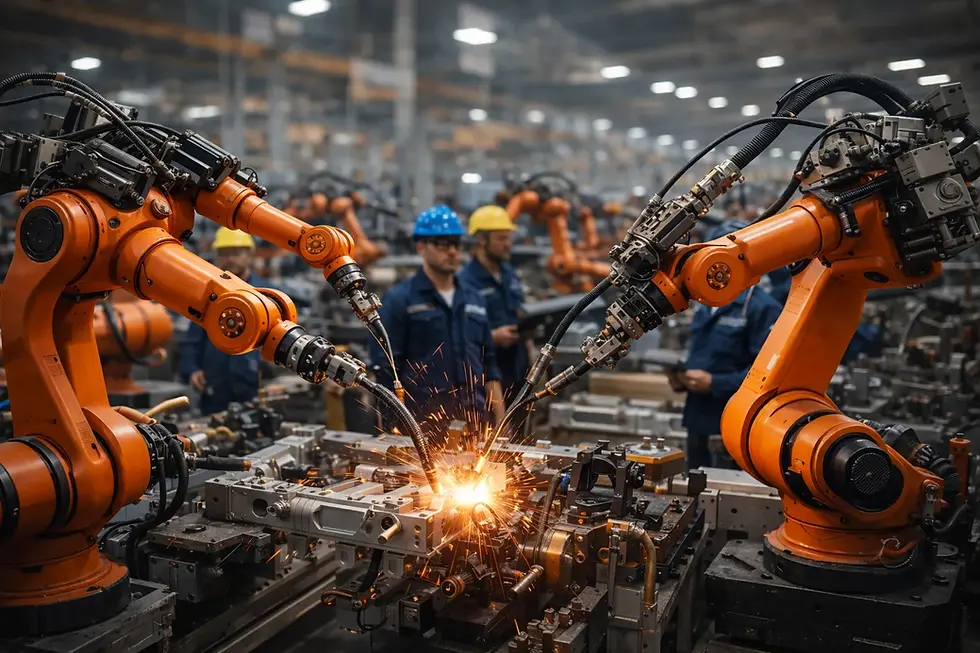
Automation Wave Reshapes Workforce Dynamics and Textile Designer Jobs in Global Manufacturing
The rapid integration of automation and AI in manufacturing hubs across China, Germany, and Southeast Asia is redefining workforce structures. While efficiency gains are significant, the transition is impacting manufacturing technician salary benchmarks and skill requirements. Companies are investing in upskilling to balance automation with human expertise. This evolution is also influencing hiring patterns in creative and technical domains, including textile designer jobs, as industries seek hybrid skill sets. Learn more
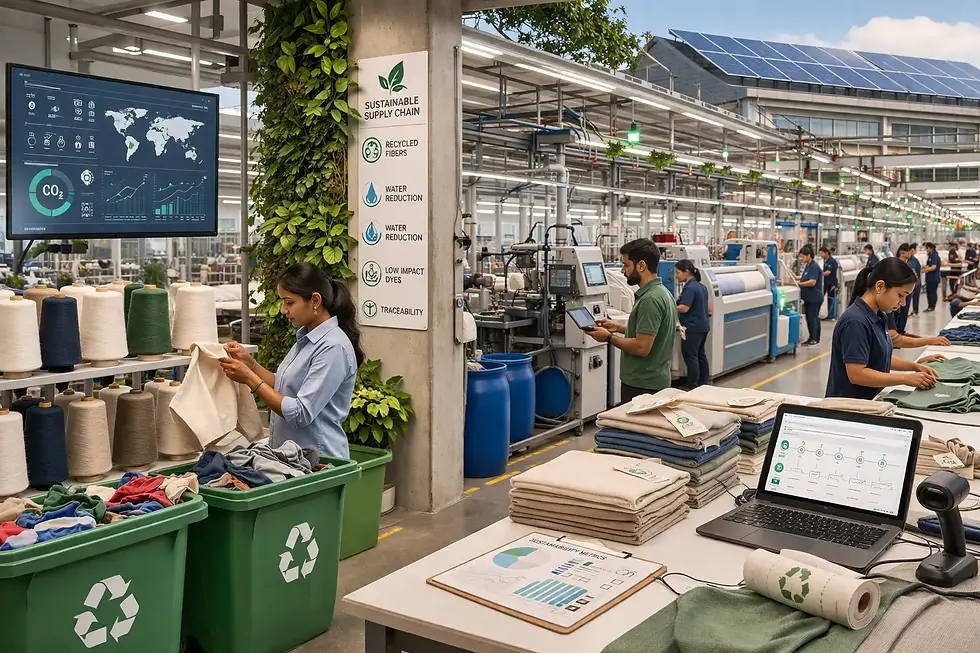
Sustainability Push Drives Innovation in Textile Supply Chains
Sustainability continues to dominate global textile strategies, with brands accelerating adoption of recycled fibers and water-efficient processes. European and US companies are tightening compliance standards, pushing suppliers worldwide to upgrade capabilities. This transformation is creating new opportunities in textile designer jobs focused on eco-friendly materials. Manufacturing regions such as textile of Gujarat are aligning with these trends to remain competitive in international markets. Explore more
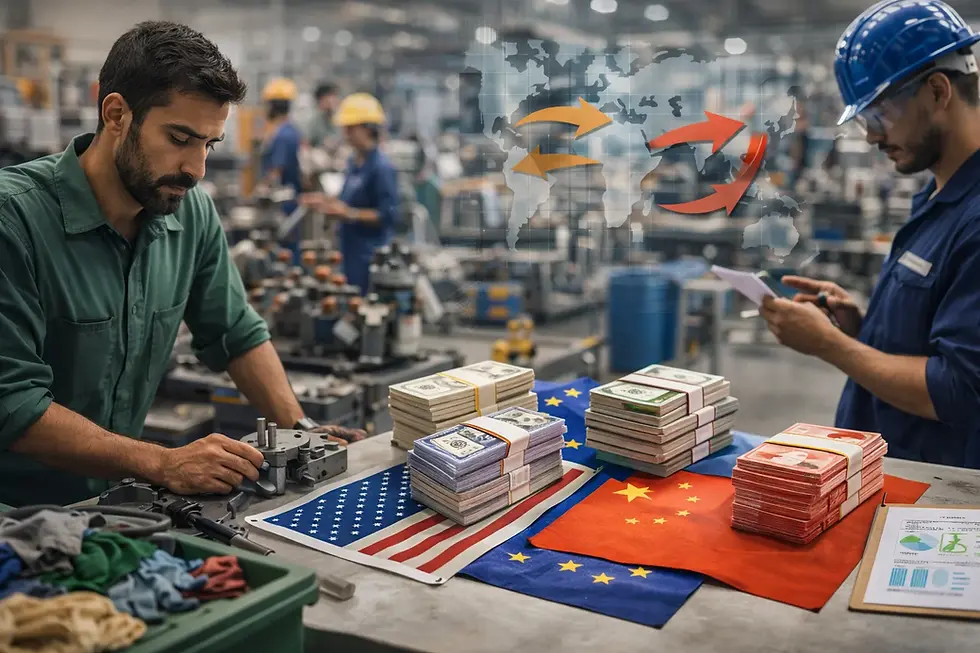
Global Wage Pressures Influence Talent Movement in Manufacturing Sector
Rising wage expectations across developed economies are reshaping global labor flows, with companies increasingly outsourcing to cost-efficient regions. This has led to competitive shifts in manufacturing technician salary structures, especially in emerging markets. Countries like India and Vietnam are benefiting from this transition, strengthening their position in global supply chains. The ripple effects are also seen in increased demand for textile designer jobs supporting export-oriented production ecosystems. Read more
Retail Slowdown Spurs Strategic Realignment in Apparel Industry
A slowdown in global apparel retail sales has prompted brands to rethink sourcing, inventory, and pricing strategies. Companies are focusing on leaner operations and faster design-to-market cycles to stay competitive. This environment continues to influence hiring across the value chain, including textile designer jobs and technical manufacturing roles. Established clusters such as textile of gujarat remain integral to this transformation, offering scalability and cost advantages in uncertain market conditions. Learn more

Conclusion
In conclusion, the global textile and manufacturing landscape is entering a phase of strategic recalibration, where adaptability and innovation are no longer optional but essential. Companies that successfully balance cost efficiency, technological advancement, and sustainability will be better positioned to navigate ongoing uncertainties. As supply chains evolve and workforce expectations shift, regions and professionals that embrace flexibility, upskilling, and eco-conscious practices will emerge as key drivers of long-term industry resilience and growth.


Comments